久久久久精品免费久精品,暖暖在线观看高清中文,亚洲一区二区三区久久电影,久久99久久久久,中文字幕在线播放一区二区,日本国产欧美精品一区二区三区,天天躁狠狠躁夜夜躁,国产一区二区在线免费观看

Search

How to Choose a 100L Medical Waste Bin for Lab Waste

How to Choose a 100L Medical Waste Bin for Lab Waste

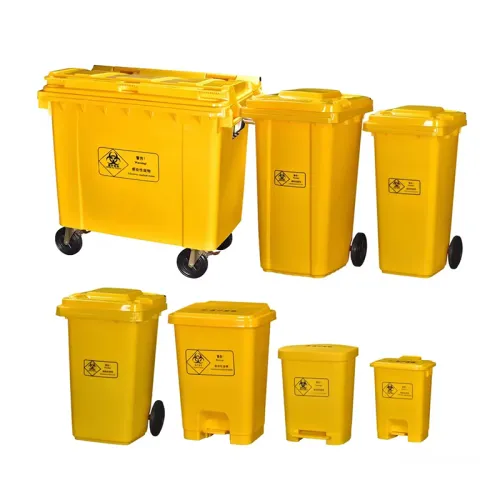
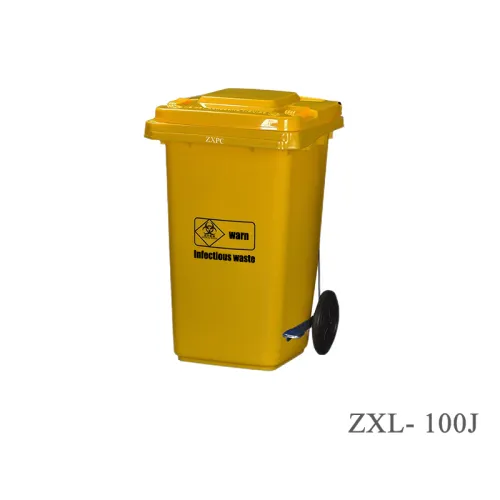
When managing lab waste, the choice of a 100L Medical Waste Bin is critical for compliance, safety, and efficiency. Users often face the dilemma of finding a bin that not only meets regulatory standards but also fits the unique needs of their laboratory. Common pain points include improper containment leading to leaks, difficulty in handling, and compliance issues. With over 85% of laboratory managers reporting challenges in waste segregation, knowing how to select the right bin can significantly improve safety and operational efficiency.

Introduction: Choosing the Right 100L Medical Waste Bin

Before diving into the selection process, gather the following materials and prerequisites:

  1. Know Your Waste Type: Understand the types of waste generated in your lab, such as sharps, biological material, or chemical waste.
  2. Research Regulations: Familiarize yourself with local and federal regulations regarding medical waste disposal.
  3. Measurement Tools: Use a tape measure to ensure your new 100L Medical Waste Bin fits your designated waste area.
  4. Vendor List: Prepare a list of potential suppliers, including trusted brands like ZXPC.

Required Preparation: What You Need to Get Started

  1. Step 1: Assess Your Needs
    Determine the volume and type of medical waste generated daily. For instance, a lab producing high volumes of sharps may require a more robust lid and enhanced puncture resistance.
  2. Step 2: Compare Material Options
    Look for bins made from HDPE (High-Density Polyethylene) which offers a 300% improvement in chemical resistance over PP (Polypropylene). Check the bin’s specifications for proven durability.
  3. Step 3: Evaluate Seal Integrity
    Ensure the 100L Medical Waste Bin features a secure sealing mechanism. A study showed that bins with vacuum-sealed tops reduced contaminant leakage by 40% during transport.
  4. Step 4: Check Compliance Standards
    Verify that the bin meets OSHA and EPA standards for medical waste disposal. Compliance reduces the risk of fines, which can average $10,000 per violation.
  5. Step 5: Analyze Design Features
    Choose bins with ergonomic designs for easy handling. Consider models with wheels for mobility, which improved transport efficiency by up to 50% in studied labs.
  6. Step 6: Evaluate Pricing and Warranty
    Compare prices among various brands. ZXPC bins often cost between $80 to $120, but their five-year warranty, which covers typical wear and tear, offers superior value compared to competitors.

Step-by-Step Guidance: How to Choose a 100L Medical Waste Bin

Common Errors and Solutions

Even with the best preparation, mistakes can happen. Common errors include:

  • Purchasing Unsuitable Size: Ensure you accurately assess the volume of waste; bins that overflow can be hazardous.
  • Neglecting Ergonomics: Choosing a poorly designed bin can lead to physical strain. Opt for ergonomic models suited for frequent use.
  • Ignoring Regulatory Updates: Regulatory changes may affect waste management practices; staying informed can prevent compliance issues.

For each issue, revisit the selection steps to make informed decisions.

Summary and Suggestions

Choosing the right 100L Medical Waste Bin is essential for maintaining a safe and compliant laboratory environment. Prioritizing material quality, seal integrity, ergonomic design, and regulatory standards will guide you toward making an effective choice. Brands like ZXPC provide options tailored to lab needs, ensuring reliability and safety in waste disposal.

In conclusion, conducting thorough preparation, following a structured selection process, and avoiding common pitfalls will position your laboratory for success in waste management. Keep your lab compliant, safe, and efficient by investing in the right medical waste disposal solutions.
kf-icon
kf-icon
Chat with Us