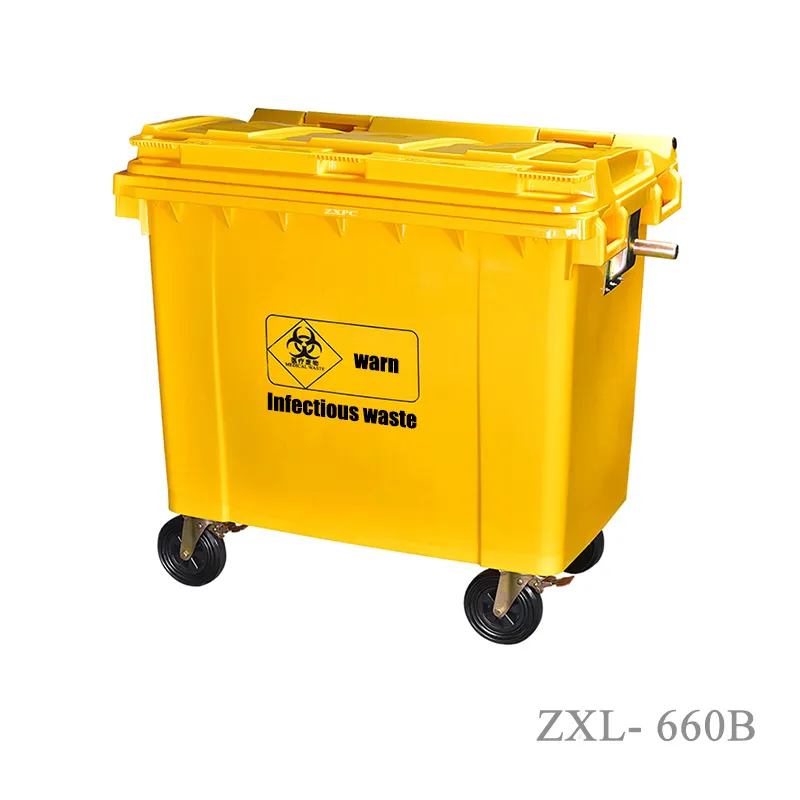
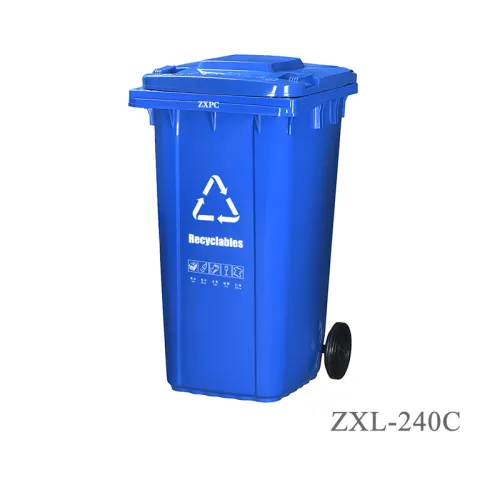
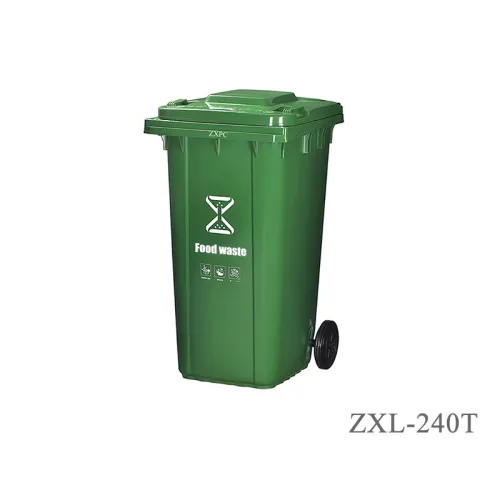
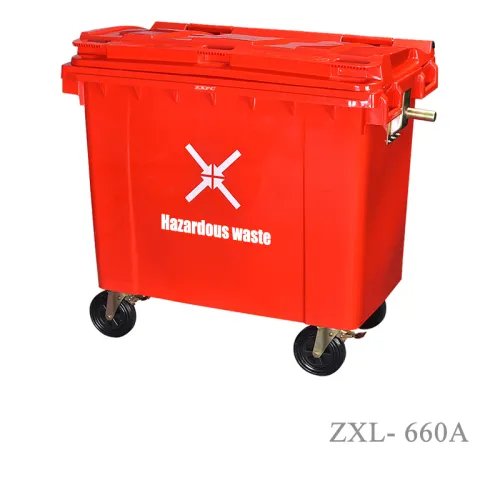
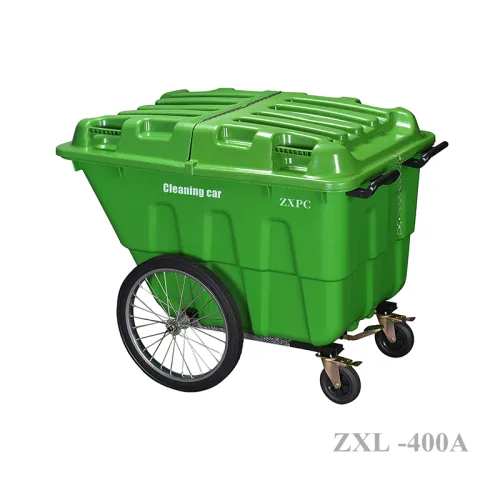
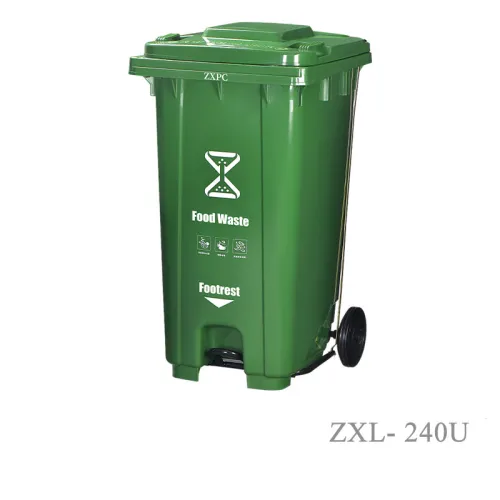
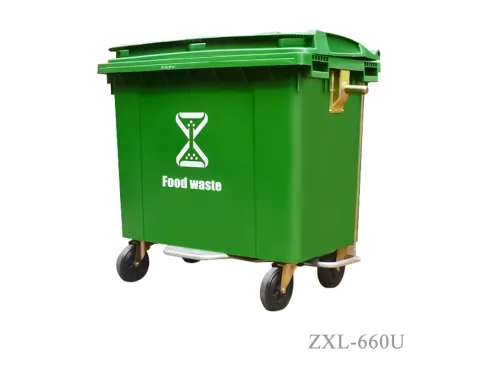
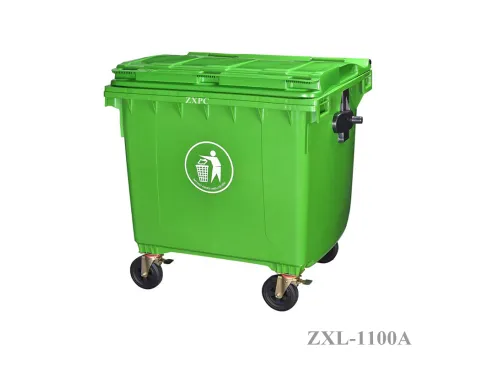
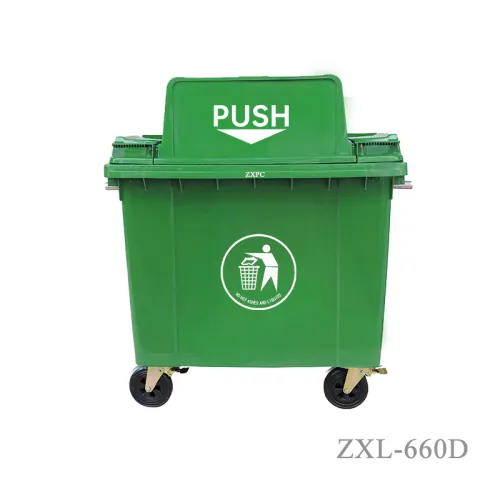
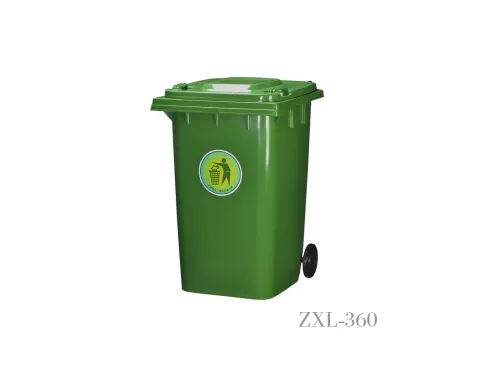
In the ever-evolving landscape of healthcare, ensuring proper waste management is critical. The use of a 240 Litre clinical waste bin is essential for hospital departments that generate significant volumes of medical waste. Not only does it streamline disposal processes, but it also aligns with health regulations, minimizing environmental impact. For both beginners and seasoned professionals seeking to implement efficient waste management solutions, adopting a systematic approach will yield the best results.
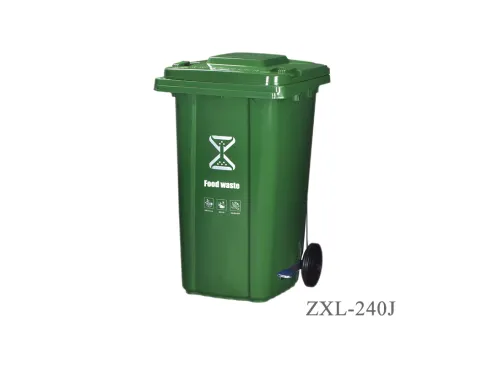
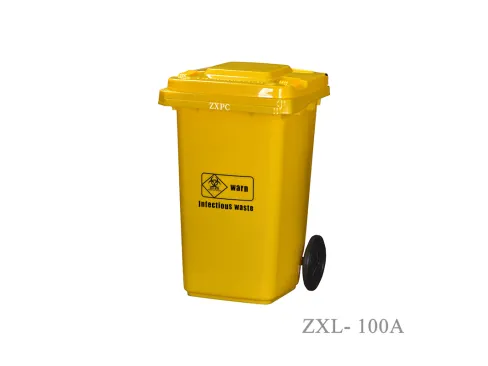
To begin with, familiarize yourself with the specifics of the 240 Litre clinical waste bin. The ZXPC, for instance, is renowned for its durability and compliance with international standards such as ASTM D 5256, which governs the maximum weight and structural design of waste containers. This ensures that your bins are capable of withstanding the rigors of a clinical environment. Understanding these standards is paramount, as it enhances your bin selection and assists in developing a compliant waste disposal program.
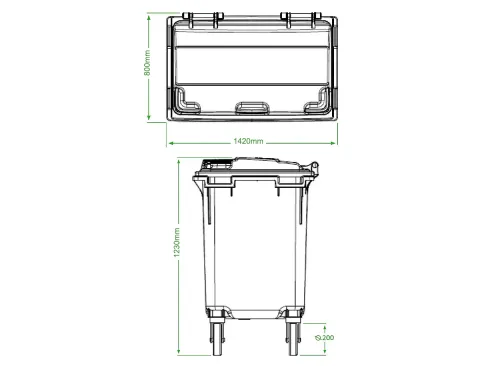
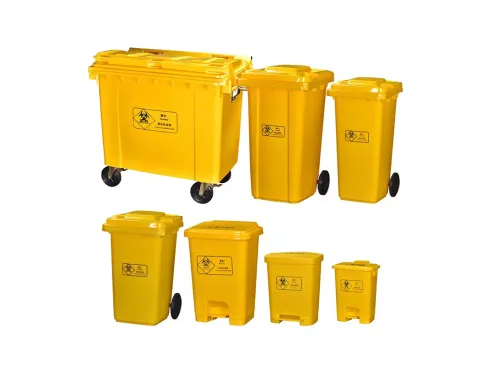
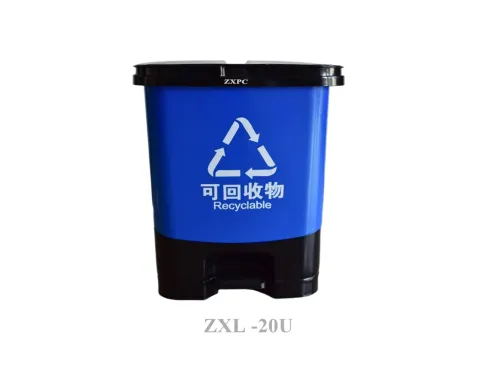
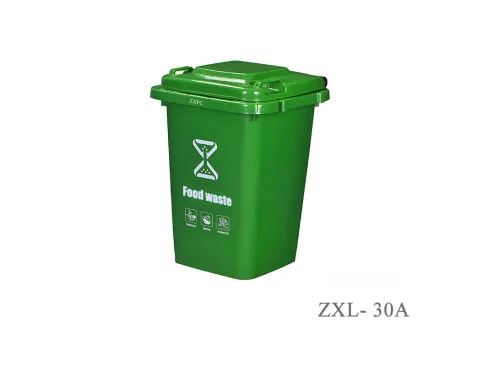
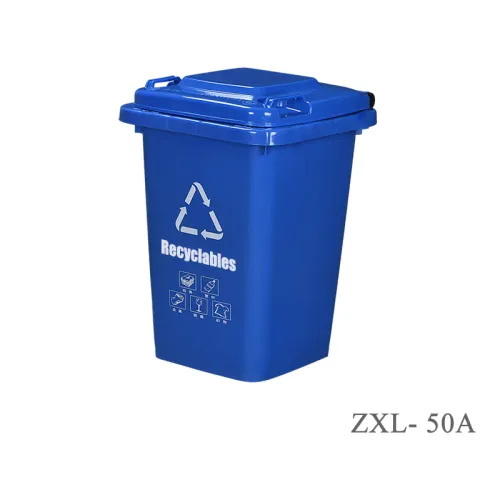
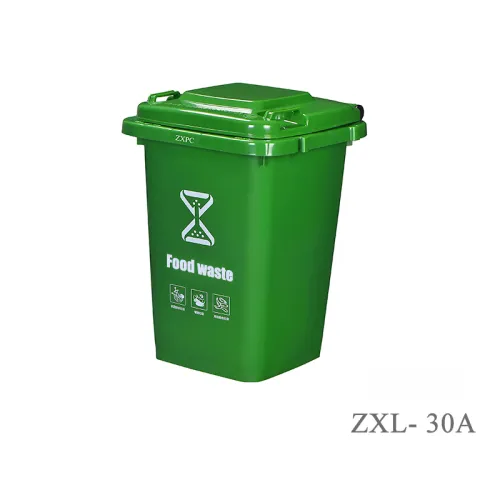
Moving forward, the first step involves selecting an appropriate clinical waste bin model. Opt for bins that provide features such as a secure lid mechanism, color-coded designs for segregation of waste types, and easily transportable carts. Make sure to consider the weight capacity—240 litres often equates to a capacity of up to 60 kg. This precision ensures your department won't surpass the recommended limit, which is crucial for preventing manual handling injuries.
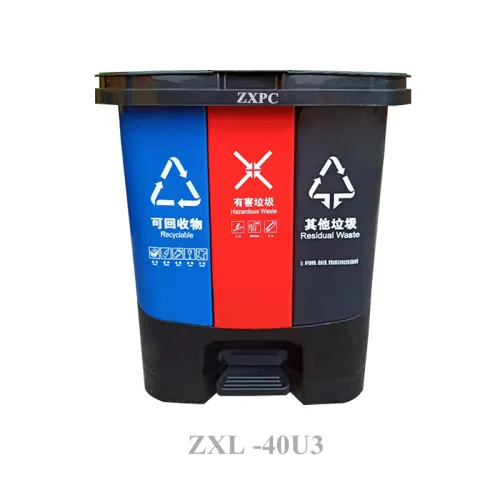
Next, develop a waste segregation strategy. Establish clearly marked areas for various waste categories: infectious, non-infectious, recyclable, and pharmaceutical waste. Training staff on these guidelines ensures compliance and enhances the safety of the clinical environment. Include visual aids in your training sessions, such as signs on walls and interactive workshops. Engaging visuals can significantly reduce the risk of cross-contamination, having proven beneficial in numerous case studies across leading hospitals.
As we navigate through this procedure, it’s vital to install proper monitoring systems. Implement a waste tracking process that logs disposal frequencies and weights. Leveraging digital tools and applications can simplify this and provide you with a clear overview of waste generation trends. For example, some hospitals have reduced waste by up to 30% after analyzing their disposal patterns and adjusting their practices accordingly.
However, many departments face challenges in adhering to waste management protocols. Instances of improper segregation or overflowing bins can arise, leading to compliance violations. To mitigate these issues, perform regular audits. Schedule weekly inspections of bin conditions and waste compliance. Engaging a third-party waste management service can provide unbiased reviews that enhance your operational effectiveness. Such measures encourage accountability and foster a culture of sustainability in waste management.
As you embark on this journey, remember to remain patient. Transitioning to an optimized waste management framework will take time. Frequent communication with your team and refreshing training modules is advisable. Equip each staff member with essential tools—they should understand how to properly use the bins and the importance of maintaining them.
To recap, the 240 Litre clinical waste bin serves as a cornerstone for managing clinical waste efficiently. By selecting the right model like the ZXPC, developing clear waste segregation strategies, and implementing a robust monitoring system, you position your department for success. Regular audits and staff training will help you navigate challenges that may arise.
The significance of proper waste management cannot be understated—it upholds public health and safeguards the environment. With commitment, diligence, and the right practices in place, your hospital can become a benchmark in clinical waste management excellence. Feel free to explore the accompanying visual and resource links for additional guidance, as the journey to excellence begins with informed decisions.