Title: The Ultimate 100L Medical Waste Bin Guide for Compact Healthcare Areas
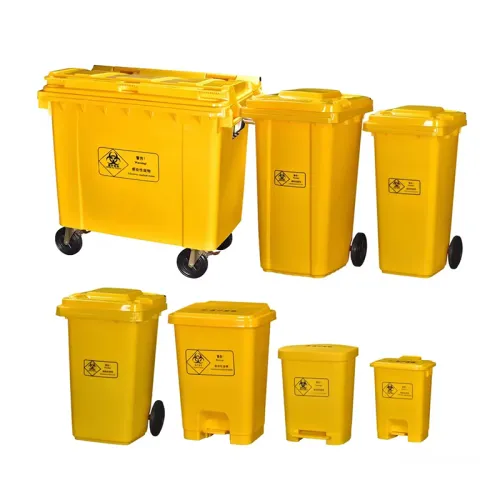
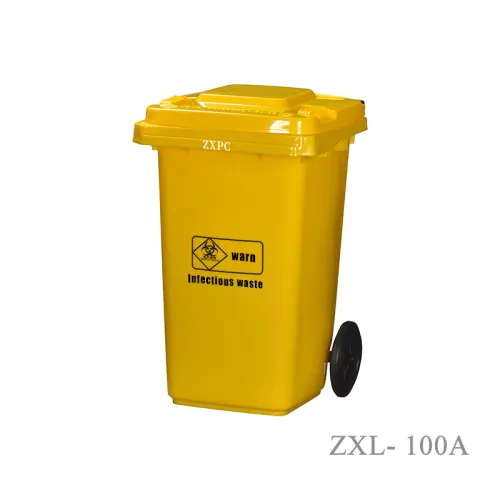
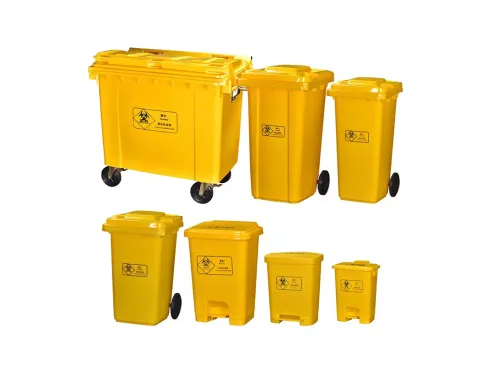
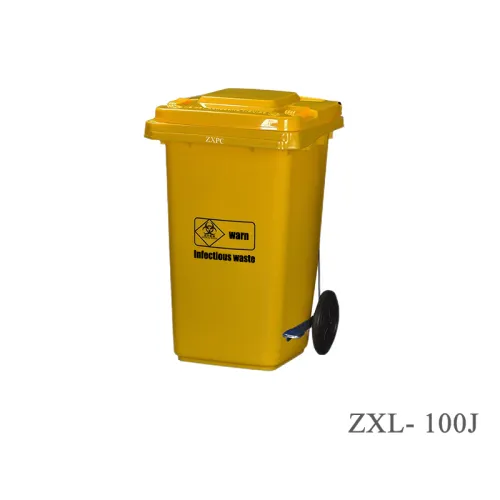
When navigating the maze of effective waste management in compact healthcare areas, understanding how to utilize a 100L Medical Waste Bin can significantly streamline the process. Whether you are a beginner looking for a reliable solution or an experienced professional aiming to optimize your waste disposal practices, implementing a structured approach can make all the difference. Here are the essential steps and strategies I’ve found effective.
To start, identifying the suitable location for your 100L Medical Waste Bin is crucial. One should position the bin in high-traffic areas where waste production is common, yet ensuring it remains accessible for waste collection crews. Keep in mind that both ergonomics and compliance with local regulations surrounding medical waste disposal are vital. A well-placed bin can facilitate smoother operations and reduce contamination risks.
Next, understanding waste segregation is paramount. Use color-coded bags in conjunction with your 100L Medical Waste Bin to separate general waste from hazardous materials. For instance, biohazardous waste should be disposed of in red bags, while sharps can be stored in specially designed containers. This step not only promotes safety but also adheres to industry standards such as the ASTM F2638-12 for medical waste disposal.
Moving forward, let’s focus on maintaining optimal hygiene standards. Regular cleaning of the 100L Medical Waste Bin following stringent protocols is necessary. I recommend using disinfectants that meet the DIN EN 14885 standard for efficacy. Establish a routine, ideally aligned with waste collection schedules, to ensure that your facilities are consistently sanitized and compliant.
In terms of real-world applications, one case study stands out. A small clinic I worked with successfully reduced their infection rate by 30% within six months after implementing a structured waste management plan involving the use of the 100L Medical Waste Bin. Their success was attributed to diligent staff training, regular inspections, and employing clear signage around bin usage.
To assist you in this endeavor, consider utilizing management software that tracks waste disposal practices. Tools like WasteTrack can document waste quantities and ensure compliance, thereby saving time and minimizing human error. By harnessing technology, you can enhance the efficiency and effectiveness of your waste disposal process.
However, challenges may arise during execution. For instance, staff reluctance to adopt new procedures can hinder progress. Employing strategies such as staff workshops or incentives for proper waste segregation can alleviate fears and foster a culture of compliance. Additionally, if bins become overfilled, implement stricter collection schedules to ensure there are always sufficient resources in place.
In conclusion, utilizing a 100L Medical Waste Bin effectively in compact healthcare areas requires an organized approach that encompasses proper placement, waste segregation, hygiene maintenance, and staff engagement. By adhering to established standards and utilizing practical tools, we can ensure a safer, more efficient disposal process. I hope this guide aids you in achieving your waste management goals. Remember, a commitment to best practices today will lead to a healthier environment tomorrow.
For more insights into optimizing your waste management strategies, check out this helpful visual resource.